THE COMPLETE READER'S GUIDE
Berberine Benefits: What the Research Really Says, How It Works, and How to Choose Wisely
If berberine keeps popping up in your feed, you are not imagining it. The reported berberine benefits range from steadier glucose handling to healthier cholesterol numbers, and plenty of readers want to know whether berberine for weight loss is hype or genuine help. This guide covers the evidence, the honest limits, every berberine side effect worth knowing, and a practical way to find the best berberine supplement for your routine.
- 12-minute read
- Evidence-informed
- Beginner friendly
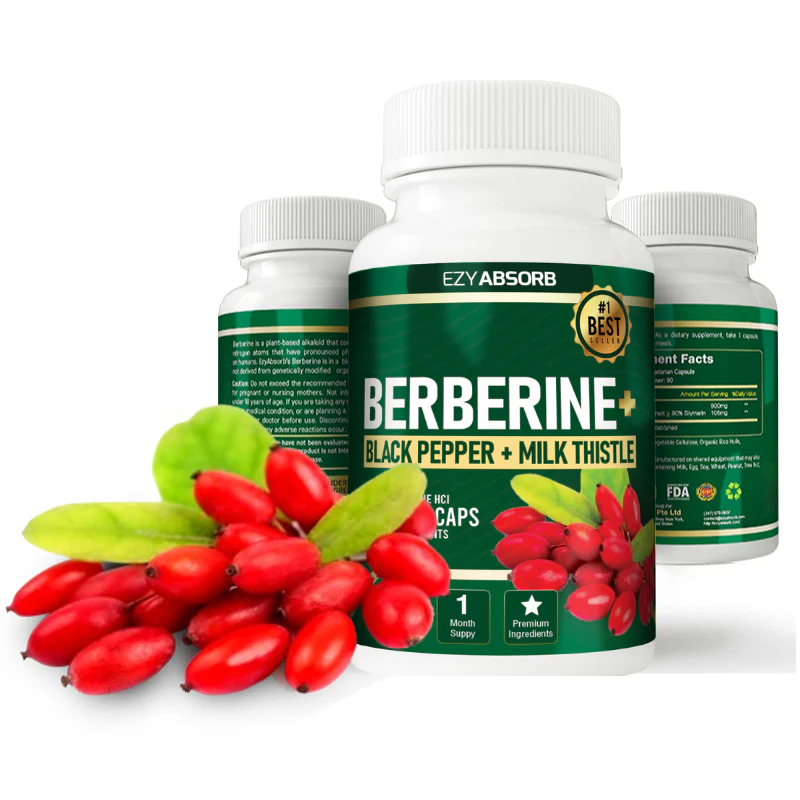
Berberine Benefits at a Glance
Short on time? Here is the quick version of what this article covers.
- Metabolic balance: the best-studied of all berberine benefits is support for how the body handles blood sugar.
- Cholesterol and lipids: trials report favorable shifts in LDL cholesterol and triglycerides.
- Weight and waist: berberine for weight loss shows modest effects, strongest in people with metabolic concerns.
- Midsection changes: berberine fat loss claims lean on waist-measurement data, not dramatic scale changes.
- Safety: a typical berberine side effect is digestive and mild, yet medication interactions deserve respect.
- Quality: the best berberine supplement shows its dose, its label and its maker without hiding anything.
- Format: a well-made berberine dietary supplement is simple to take with meals.
- What Is Berberine, Really?
- How Berberine Works in the Body
- Science-Backed Berberine Benefits
- Berberine for Weight Loss and Berberine Fat Loss
- Berberine Side Effect Guide and Safety
- Dosage, Timing and Daily Routine
- How to Pick the Best Berberine Supplement
- Berberine Dietary Supplement Spotlight
- Building a Realistic Daily Plan
- Frequently Asked Questions
- Final Thoughts
What Is Berberine, and Why Is Everyone Suddenly Talking About It?
Berberine is a bright yellow alkaloid found in the roots, stems and bark of several plants, including European barberry, goldenseal, Oregon grape and Chinese goldthread. Traditional Ayurvedic and Chinese practitioners have relied on these plants for well over two thousand years, mostly for digestive complaints. What changed recently is that laboratories began measuring what the compound does inside human cells, and those findings pushed berberine benefits out of the herbalist’s cabinet and into mainstream nutrition conversations.
So why the sudden buzz? Part of the answer is timing. Millions of adults are paying closer attention to metabolic health, energy and waistlines, and they want options that feel approachable. A capsule taken with meals is far easier to stick with than a complicated protocol. Another part is evidence: unlike many trendy botanicals, berberine has a respectable pile of human trials behind it, which is why articles about berberine benefits keep multiplying, and why a berberine dietary supplement now sits on so many shelves.

A Quick Word on What Berberine Is Not
It is not a prescription drug, it is not a miracle, and no honest source will promise that it melts fat on its own. Think of it as one supportive tool among many. Throughout this guide we separate what studies actually found from what marketing pages like to claim, because the honest list of berberine benefits is shorter than most ads suggest. If you want product-level detail after reading, our full berberine supplement review goes deeper on ingredients and dosage.
How Berberine Works Inside the Body
Most berberine benefits trace back to one master switch called AMPK, short for AMP-activated protein kinase. Cells use AMPK like a fuel gauge: when energy runs low, it tells the cell to burn stored fuel and to pull glucose out of the bloodstream. Berberine appears to nudge that switch, which is why researchers describe it as an energy-pathway activator rather than a stimulant.
AMPK, Glucose and Insulin Signaling
When AMPK activates, muscle and liver cells become more willing to take in glucose, and the liver tends to release less of it. Laboratory and human studies also suggest a better cellular response to insulin. That single mechanism explains why so many of the studied berberine benefits cluster around glucose, lipids and body composition, and why interest in berberine for weight loss followed so quickly.
Gut Bacteria and Absorption
Here is a detail most articles skip: very little berberine actually reaches the bloodstream. Absorption is low, so a good share stays in the gut, where it seems to influence the microbiome. Some scientists believe that gut activity is part of why berberine benefits appear despite modest blood levels. It also explains why the typical berberine side effect is digestive rather than anything more dramatic.
Why Timing and Consistency Matter
Because berberine clears the body fairly quickly, studies usually divide the daily amount across meals instead of relying on one large dose. Copying that pattern is sensible for anyone using a berberine dietary supplement, and we return to it in the dosage section below.
Science-Backed Berberine Benefits Worth Knowing
Let us walk through the major berberine benefits one at a time, with an honest note on how strong the evidence is behind each.
1. Supports Healthy Blood Sugar Balance

This is the headline among berberine benefits. Pooled analyses of randomized trials in adults with type 2 diabetes have reported meaningful reductions in fasting glucose and HbA1c compared with control groups, and the effects tended to be larger in people who began with higher numbers. For adults whose readings are already normal, the realistic goal is steady support rather than dramatic change. Anyone managing diabetes should treat berberine as a topic for their doctor, never as a swap for prescribed care.
2. May Improve Cholesterol and Triglycerides
A 2025 meta-analysis of placebo-controlled trials found lower LDL cholesterol and triglycerides in people with metabolic syndrome components, alongside smaller waist measurements. Among all berberine benefits, lipid support is probably the second most consistent. The authors still called for larger and better-designed trials, which is a fair reminder that the evidence is promising rather than final.
3. Gut and Microbiome Effects
Since so much berberine lingers in the digestive tract, researchers are curious about its influence on gut bacteria. Early work points toward a healthier balance of microbes and better gut-barrier markers. This corner of berberine benefits is still young, so treat it as an interesting lead, not a promise.
4. Lower Inflammation Markers
A 2020 meta-analysis reported lower C-reactive protein, a general inflammation marker, in people taking berberine. Chronic low-grade inflammation is tied to many metabolic problems, so this result fits neatly with the other berberine benefits above.
5. Heart and Blood Pressure Support
Some trials noticed small improvements in blood pressure alongside better lipids. The signal is weaker than the glucose data, so we file it as a possible bonus among berberine benefits rather than a primary reason to buy a berberine dietary supplement.
6. Interest in PCOS Research
Researchers have also studied berberine in women with polycystic ovary syndrome, where insulin resistance is common. Reviews report results broadly similar to metformin on some insulin-resistance measures. That conversation belongs in a doctor’s office, but it shows how wide the research on berberine benefits has become.
Who Is Most Likely to Notice Berberine Benefits?
Across studies, the clearest berberine benefits showed up in people with elevated glucose, higher cholesterol or extra abdominal weight. Metabolically healthy adults often report subtler berberine benefits, and that is perfectly normal. Matching your expectations to your starting point is the smartest way to judge whether berberine benefits are showing up for you.
Evidence note on berberine benefits: most trials ran for 8 to 12 weeks or longer and used roughly 900 to 1,500 mg of berberine daily. Long-term data beyond a year remain limited.
Many readers start with a capsule they can take alongside meals, then measure how they feel over a couple of months.
Berberine for Weight Loss and Berberine Fat Loss: Separating Fact From Hype
Searches for berberine for weight loss exploded after social media nicknamed the compound nature’s Ozempic. The label is catchy, and it is also misleading. Prescription GLP-1 medicines can cut body weight by double-digit percentages. Berberine does not play in that league, and anyone selling it that way is stretching the truth.
What the Studies Actually Show
A 2020 meta-analysis of randomized trials found an average body-weight reduction of roughly two kilograms, plus small drops in BMI and waist circumference. Other pooled analyses saw little movement on the scale but a narrower waistline, with reductions of around three centimeters. Put together, berberine for weight loss looks modest, inconsistent and strongest in people who already have insulin resistance or other metabolic-syndrome features. Healthy people with normal glucose handling usually notice very little.
Is Berberine Fat Loss Real, or Just Water Weight?
Claims about berberine fat loss usually point to the waist-circumference data, which hints at change around the midsection instead of overall weight. That is encouraging, because abdominal fat carries extra metabolic risk. Even so, no trial proves that berberine fat loss happens without diet and activity changes, since most participants were also encouraged to eat sensibly and move more.
How to Use Berberine for Weight Loss Responsibly
Anchor It to Meals
Take your berberine dietary supplement with food to protect your stomach and follow the pattern most trials used.
Track Your Waist
Measure around the navel monthly. For berberine fat loss, that number often tells a clearer story than the scale.
Keep Protein and Fiber High
Filling meals make a calorie-aware plan easier to keep, which is where berberine for weight loss support actually shows up.
Give It 8 to 12 Weeks
Short experiments rarely show anything. Judge berberine benefits over a couple of months, not a few days.
If berberine for weight loss is your goal, treat it as a quiet helper to a plan built on nutrition and movement. People who expect berberine fat loss with no habit changes usually end up disappointed, while those who pair it with walking and sensible portions tend to describe a smoother experience.
Berberine Side Effect Guide: Safety, Interactions and Who Should Skip It
No honest article about berberine benefits can dodge the downside. Most people tolerate it well, and a 2025 meta-analysis described a favorable safety profile, but a berberine side effect does happen, and a few of them deserve real attention. For a longer product-focused discussion, see our berberine supplement review, which covers label details too.
The Most Common Berberine Side Effect: Digestive Upset
Nausea, cramping, gas, loose stools, constipation and general stomach discomfort top the list. The usual berberine side effect is mild and fades as the body adapts. Taking capsules with meals, starting with a smaller amount and drinking plenty of water helps many people.
Common and Mild
Diarrhea, constipation, gas, bloating and queasiness. Each berberine side effect in this group usually eases within days.
Less Common
Headache, dizziness, skin rash, or low blood sugar when combined with glucose-lowering medicine.
Who Should Skip It
Pregnant or breastfeeding women, infants and children, and anyone on interacting drugs without medical supervision.
Medication Interactions You Should Know
Berberine can stack with glucose-lowering medicines such as metformin or insulin, raising the chance that blood sugar drops too low. It may also affect enzymes and transporters that process drugs like cyclosporine, so some medicines can build up higher than expected. If you take prescriptions, speak with a physician or pharmacist first, because a berberine side effect is far more likely to become a real problem when drugs interact.
Pregnancy, Breastfeeding and Children
Berberine is generally advised against during pregnancy and breastfeeding, and it should never be given to infants, since it may contribute to jaundice complications in newborns. That single berberine side effect concern is why reputable labels carry a clear warning.
How to Lower the Chance of a Berberine Side Effect
- Take every serving with food
- Start with one capsule a day for the first week
- Spread servings across the day instead of taking everything at once
- Drink water and keep your fiber intake steady
- Stop and call your doctor if symptoms persist, worsen or feel unusual
Safety first keeps berberine benefits worth having, so treat every warning on the label as part of the plan.
How to Take Berberine: Dosage, Timing and Daily Routine
Clinical studies of berberine benefits commonly use between 900 and 1,500 mg per day, divided into two or three servings taken with meals. Your own label should always outrank any article, including this one, and your doctor should outrank both.

A Simple Starter Schedule
- Week one: one capsule with your largest meal.
- Week two: add a second capsule with another meal if your stomach feels fine.
- Week three onward: move toward the labeled amount, for example one capsule with each of three meals, unless your doctor says otherwise.
Gradual starts are the easiest way to avoid a berberine side effect, and they let you notice how a new berberine dietary supplement actually feels before committing to a full month.
How Long Before You Notice Anything?
Most trials last 8 to 12 weeks or longer, so quick verdicts are unrealistic. Judge berberine benefits through lab work and everyday energy over a couple of months, not by day-four impressions. The same patience applies to berberine for weight loss, where changes are gradual and subtle.
Who Should Talk to a Doctor First
Check in before chasing berberine benefits if you have diabetes, liver or kidney disease, take prescription medicines, are planning a pregnancy, or are nursing. A two-minute conversation can prevent a lot of trouble.
Three capsules a day with meals is the whole routine. No powders, no timers, no fuss.
How to Choose the Best Berberine Supplement Without Getting Fooled
Shopping for the best berberine supplement can feel like wandering through a hall of mirrors: every bottle promises purity, potency and quick results. A calm checklist cuts through the noise and protects your wallet. Use it on any berberine dietary supplement, including the one we feature below.
Seven Label Checks for the Best Berberine Supplement
- Berberine HCl named on the label, with the milligram amount per capsule
- A clear serving size and servings per container
- Third-party testing or GMP-certified manufacturing
- A short ingredient list without secret proprietary blends
- Sensible claims with no cure promises
- Visible company contact details and a refund policy
- A fair price per month of supply
Berberine HCl Versus Other Forms
Most research uses berberine hydrochloride, so that is the form most readers should look for. Newer versions such as dihydroberberine are marketed for better absorption, but human data are thinner. If you experiment, lean on a transparent maker, because the best berberine supplement is the one whose label you can verify.
Red Flags That Rule a Product Out
Miracle language, hidden doses, missing manufacturer details and promises to burn fat while you sleep all mean you should keep scrolling. A berberine dietary supplement worth buying behaves like a sober health product, not an infomercial. Honest brands also talk openly about each berberine side effect instead of pretending there are none.
Berberine Dietary Supplement Spotlight: ZenCortext
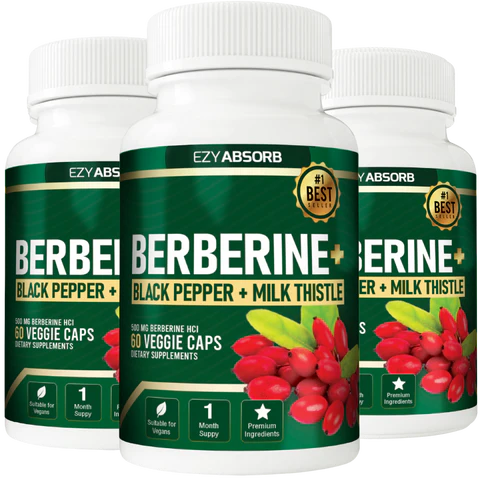
To make this guide practical, here is a closer look at one berberine dietary supplement we feature. It earns its place because it meets several items on the checklist above and because its label is easy to read, which is why many shoppers shortlist it when hunting for the best berberine supplement.
What You Get in Every Bottle
- 500 mg of pure berberine hydrochloride per capsule
- 90 capsules, a 30-day supply
- Suggested use: one capsule three times daily, before or after a meal, for 1,500 mg a day
- Plant-based ingredients, no stimulants, non-habit forming
- Made in the USA
- Free shipping and a money-back guarantee

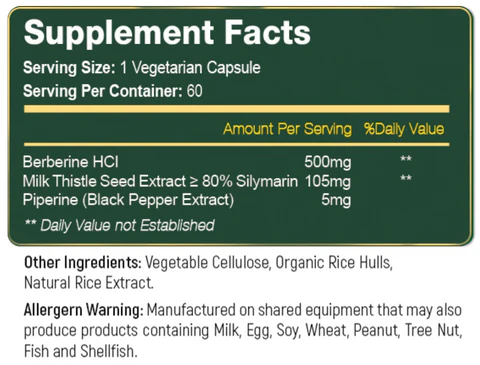
Always compare the Supplement Facts panel with the checklist before buying any berberine dietary supplement. No product suits everybody, and the strongest berberine benefits come from consistency, not from chasing the highest dose. You can also visit the official berberine supplement page for complete offer details, or read the in-depth berberine supplement review for a closer look at ingredients.
Making Berberine Benefits Last: A Realistic Daily Plan
Capsules rarely carry the whole load. The strongest berberine benefits in trials appeared when people also changed what they ate and how they moved. Daily habits shape berberine benefits more than any single capsule.
Food Habits That Pair Well
- Build plates around protein, vegetables and fiber
- Choose slow carbohydrates such as oats, beans and lentils
- Cut back on sugary drinks and late-night snacking
- Take your capsule with a meal, never on an empty stomach
Movement and Sleep
A daily walk after meals blunts glucose swings on its own, and seven hours of sleep keeps hunger hormones calmer. Neither is glamorous, yet together they amplify berberine for weight loss efforts more than any extra capsule could.
Track Progress the Smart Way
Write down your waist measurement monthly, schedule lab work with your doctor every few months, and keep brief notes on digestion. Those three data points tell you whether berberine fat loss progress is real and whether any berberine side effect is creeping in.
Three Berberine Myths to Retire
Myth: It Melts Fat Overnight
Reality: even the best berberine fat loss data show gradual, modest change.
Myth: More Is Better
Reality: higher amounts mainly raise the odds of a berberine side effect.
Myth: Natural Means Risk-Free
Reality: botanical compounds act on the body and can clash with medicines.
Frequently Asked Questions About Berberine Benefits
What are the main berberine benefits?
The most studied berberine benefits involve blood sugar balance, cholesterol and triglycerides, waist circumference and inflammation markers. Gut-microbiome and heart effects are newer areas with less evidence.
Does berberine for weight loss really work?
It can help modestly, mostly in people with insulin resistance or metabolic concerns. Studies show small changes in weight, BMI and waist size, so berberine for weight loss works best alongside diet and exercise.
Is berberine fat loss possible without dieting?
There is no good evidence for it. Berberine fat loss results in trials came from people who were also encouraged to improve eating and activity habits.
What is the most common berberine side effect?
Digestive discomfort, including cramping, gas, diarrhea or constipation. Taking capsules with meals and starting low reduces the chance of any berberine side effect.
How do I find the best berberine supplement?
Look for a stated berberine HCl amount, a clean ingredient list, third-party testing, honest claims and a clear refund policy. The best berberine supplement is the one with nothing to hide.
Is a berberine dietary supplement safe with metformin?
Not automatically. Berberine can add to the glucose-lowering effect of metformin and other diabetes medicines, so ask your doctor before combining them. The same caution applies to any berberine dietary supplement.
How long before I can judge berberine benefits?
Plan on at least 8 to 12 weeks, with lab checks arranged by your doctor. Berberine benefits build gradually, so short trials rarely tell the full story.
Can I take berberine every day?
Trials commonly run for months, and many people take it daily with meals. Because long-term data are limited, periodic check-ins with a healthcare professional make sense.
Final Thoughts on Berberine Benefits
Berberine earns its reputation honestly in a few areas. The strongest berberine benefits relate to blood sugar, lipids and waist size, with anti-inflammatory and gut effects as promising extras. It is not a fat-burning shortcut, and claims about berberine for weight loss deserve a healthy dose of skepticism.
Use the checklist to pick the best berberine supplement, respect every berberine side effect and interaction warning, and remember that berberine fat loss progress depends far more on daily habits than on any capsule. If you want a convenient starting point, the berberine dietary supplement featured above fits the pattern most trials used.
Thank you for reading. Wherever you land, keep your doctor in the loop and give your routine time to work.
Free shipping and a money-back guarantee make it easy to try with confidence.
Berberine Supplement Review
Ingredients, dosage, side effects and our verdict in one place.
The Official Berberine Supplement Page
See the full offer, pricing and customer questions.
Certain links on this page are affiliate links. If you buy a product or service through them, we may receive a commission at no extra cost to you. We feature only products or services that we believe could be helpful to our readers.
The information on this page is provided for informational purposes only and is not meant to diagnose, treat, cure, or prevent any disease. The FDA has not evaluated the statements made here. Please consult a licensed healthcare professional before taking any supplement or changing your diet or exercise routine. Individual results may vary. Third-party trademarks and trade names shown on this site do not imply affiliation or endorsement. If you buy a product or service through a merchant link, we may receive a fee from the merchant.
© Copyright 2026 Berberine Supplement™. All Rights Reserved.