Berberine for Weight Loss: What the Science Says, What Real Life Looks Like, and How to Use It Wisely
- Free shipping
- Money-back guarantee
- Made in the USA
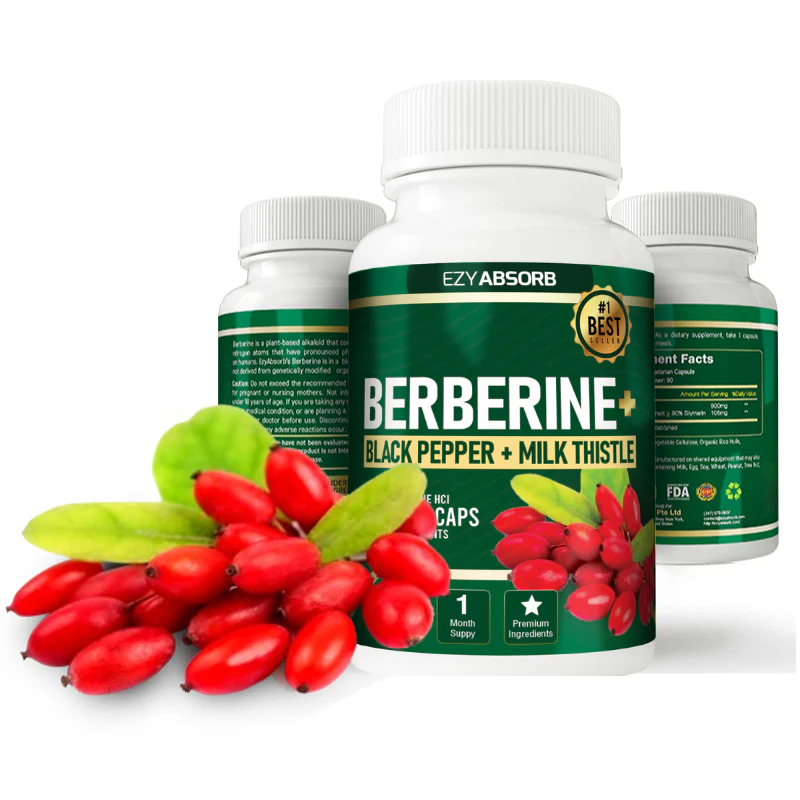
900–1,500 mg
8–12 weeks
Modest
The Short Answer: Does Berberine for Weight Loss Really Work?
Berberine for weight loss may help modestly. Across clinical trials, people who took berberine for several months tended to lose a small amount of weight and trim their waistlines compared with those who did not, especially when the supplement sat beside better meals and more movement. It is not a miracle, and it is not a replacement for prescription treatment. Think of berberine for weight loss as one supportive habit inside a bigger metabolic plan.
- Average results are modest: a few pounds over several months, not dramatic transformations
- Most studies use roughly 900 to 1,500 mg per day, divided into two or three doses with meals
- A digestive berberine side effect is the most common complaint, and it usually eases with food and a gradual start
- Quality varies widely, so the best berberine supplement is the one with a transparent label and a realistic dose
- Check with your doctor first if you take medication, are pregnant, or manage a health condition
Why Berberine for Weight Loss Is Suddenly Everywhere
Walk down any wellness aisle or scroll through any health feed and you will spot the same golden-yellow capsule. Interest in berberine for weight loss has exploded in recent years, partly because of eye-catching nicknames and partly because genuine research on berberine benefits keeps piling up. The trouble is that hype travels faster than evidence, which leaves honest readers with confusion, mixed messages, and a few half-truths.
What Exactly Is Berberine?
Berberine is a bright yellow plant alkaloid found in the roots, rhizomes, stems, and bark of several species, including barberry (Berberis vulgaris and Berberis aristata), Oregon grape, goldenseal, and Chinese goldthread, which traditional Chinese medicine calls huanglian. Healers in Ayurvedic and Chinese traditions leaned on berberine-rich herbs for centuries, mostly for digestive complaints and infections. Modern laboratories later isolated the compound, and that is when scientists began asking whether it could influence blood sugar, cholesterol, and body weight.
Why Is Everyone Suddenly Talking About It?
Three forces pushed berberine into the spotlight. First, metabolic health became a mainstream conversation, and people want practical tools they can start tomorrow. Second, clinical trials and meta-analyses began reporting measurable shifts in blood sugar, blood lipids, and waist size. Third, social media coined catchy comparisons to prescription weight-loss injections. Those comparisons are misleading, and we unpack them later in this guide. For now, remember that a well-made berberine dietary supplement is a supportive habit, not a shortcut.

How Berberine for Weight Loss Works Inside Your Body
To judge whether berberine for weight loss makes sense, it helps to understand what the compound does at the cellular level. The short version: berberine nudges several metabolic pathways at once, which is both its appeal and the reason results are modest rather than dramatic.
AMPK: the cellular fuel gauge
Berberine activates an enzyme called AMPK, often described as a cell’s fuel gauge. When AMPK switches on, cells get better at using glucose and fat for energy, and the liver slows fat production. Scientists consider this pathway the main reason berberine fat loss research exists in the first place.
Insulin sensitivity and blood sugar
When cells respond well to insulin, blood sugar tends to stay steadier, which often means fewer energy crashes and fewer intense cravings. Several trials report improved fasting glucose with berberine. That link is one plausible bridge between berberine for weight loss and everyday appetite control.
Gut microbiome shifts
Berberine is poorly absorbed, so a lot of it stays in the gut and interacts with trillions of microbes. Early studies suggest it can shift bacterial balance, including species linked to metabolic health such as Akkermansia. That may explain why a berberine side effect often shows up in the digestive tract first.
Fat cells and lipid handling
Lab and animal work suggests berberine may influence how fat cells store and release energy, and how the liver handles cholesterol and triglycerides. Human data are thinner here, so treat these findings as promising clues rather than proof.
Reality check: much of the mechanism research comes from cell and animal studies. Human trials are smaller and shorter, which is why berberine for weight loss deserves cautious optimism rather than blind faith.
The Evidence: What Studies Reveal About Berberine for Weight Loss and Berberine Fat Loss
Let us look at what has actually been measured in people. Most of the human evidence on berberine for weight loss comes from randomized trials lasting between eight and twelve weeks, with a few running longer. Reviews that pool those trials generally report small average reductions in body weight, body mass index (BMI), and waist circumference compared with placebo or standard care.
What the Numbers Tend to Look Like
Pooled results usually land around a couple of kilograms, roughly four to five pounds, over several months, along with small drops in BMI and waist size. Some trials in adults with metabolic syndrome or type 2 diabetes show bigger shifts in blood sugar than in body weight. In other words, berberine fat loss is best understood as a gentle nudge rather than a transformation.
Why Results Differ Between Studies
Trials vary in dose, duration, participant health, background diet, and the form of berberine used. Someone with insulin resistance may respond differently from someone whose blood sugar is already normal. Lifestyle changes running quietly in the background can also muddy the numbers, which is why careful readers treat any single headline with caution.
Limits You Should Know About
Many studies are small, most are short, and several come from a narrow range of populations. Those limits do not erase the findings, but they do argue for modest expectations of berberine for weight loss.
Ready to try the best berberine supplement we recommend?
Berberine Benefits Beyond the Scale
Weight is only one chapter of the story. Many of the most consistent berberine benefits show up in lab markers rather than on the bathroom scale, and those markers matter for long-term health.
Blood sugar support
The most studied of all berberine benefits. Trials report improvements in fasting glucose and HbA1c among adults with elevated blood sugar.
Cholesterol and triglycerides
Reviews often report lower LDL cholesterol and triglycerides, probably linked to how the liver processes fats.
Waist circumference
Small reductions in waist size appear in several analyses, which is why berberine fat loss studies track centimeters as well as kilograms.
Gut balance
Berberine’s antimicrobial properties may reshape gut bacteria, though scientists are still mapping what that means for overall health.
Liver fat
Early studies in people with fatty liver suggest possible improvements in liver enzymes and fat content. More research is needed.
Hormonal health
Some small trials explore berberine in polycystic ovary syndrome, where insulin resistance often plays a role. Evidence is still developing.
These berberine benefits take weeks to months to appear, and they work best beside decent sleep, regular movement, and balanced meals. For a deeper look at the research behind each one, read our complete guide to berberine benefits and how to choose a supplement, then come back to see how it fits a berberine for weight loss plan.
Who May Get the Most From Berberine for Weight Loss?
Not everyone enjoys the same berberine benefits. Here are the situations in which people most often explore this supplement, along with the people who should hold off.
People who battle strong carbohydrate cravings and blood sugar swings often become curious about berberine for weight loss because of its link to insulin sensitivity. Pairing it with fiber-rich, protein-forward meals gives it the best chance to help.
Metabolism and insulin sensitivity often shift with age. Adults in midlife who see their waistline creeping up without any big change in habits sometimes explore berberine fat loss support alongside strength training and better sleep.
If you already eat well and exercise but the scale has stopped moving, a berberine dietary supplement may be worth discussing with your clinician. It will not override a calorie surplus, but it can complement a solid routine.
Anyone who is pregnant, breastfeeding, planning a pregnancy, taking prescription medication, or managing a health condition should speak with a healthcare professional first. A berberine side effect or drug interaction is far easier to avoid than to fix.
How to Take Berberine for Weight Loss: Dose, Timing, and Duration
Most clinical trials of berberine for weight loss used between 900 and 1,500 mg of berberine per day, divided into two or three doses taken with meals. That pattern exists because berberine is poorly absorbed and clears from the body quickly, so splitting the daily amount keeps levels steadier and is gentler on the stomach.
Start Low and Build Gradually
A slow ramp-up lets your digestive system adjust and lowers the odds of an uncomfortable berberine side effect. Most people do better beginning with a single capsule rather than the full schedule.
Take It With Food
Taking each dose of a berberine dietary supplement with or just after a meal improves tolerance and mirrors how it was used in research. Pick mealtimes you will actually remember, because consistency matters more than perfection.
Give It Time
Plan on at least eight to twelve weeks before judging berberine fat loss or any other result, and check in with your healthcare provider about monitoring and how long to continue.
A Simple 12-Week Roadmap
- Weeks 1–2: one capsule with your largest meal, and notice how your stomach responds
- Weeks 3–4: add a second capsule with another meal if you feel comfortable
- Weeks 5–8: move toward the label’s suggested schedule, usually one capsule three times a day
- Weeks 9–12: review progress using waist measurements, energy, and any lab markers your doctor tracks
Do Not Rush the Process
More is not better. Taking extra capsules to speed up berberine for weight loss mostly raises the chance of side effects, not the pace of results. This is general information, not medical advice, so confirm any schedule with your healthcare provider.
Want a clean 500 mg capsule you can start with?
Daily Habits That Make Berberine for Weight Loss Work Harder
Capsules are the supporting actor. The real engine behind berberine fat loss is the routine around it. People who get the most from berberine for weight loss usually change food, movement, and sleep at the same time, and those changes carry most of the weight.
Eat for steady blood sugar
Build meals around protein and fiber, add vegetables, and cut back on ultra-processed snacks and sugary drinks. A plate that already steadies blood sugar makes berberine for weight loss easier to sustain.
Move after meals
A ten to fifteen minute walk after your biggest meal helps muscles soak up glucose. Add resistance training twice a week to protect lean mass while body fat comes down.
Protect sleep and stress
Short sleep and chronic stress nudge appetite hormones in the wrong direction. Aim for seven or more hours, and give yourself calming rituals that do not involve snacking.
Track More Than the Scale
Waist measurements, how your clothes fit, energy levels, hunger patterns, and (if your doctor recommends it) fasting glucose tell you more about berberine for weight loss than daily weigh-ins ever will. Weekly check-ins beat daily obsession.
A Simple Weekly Check-In
Four quick questions
How is my energy? How strong are my cravings? Did my waist measurement change? Did I follow my routine on most days? Honest answers reveal whether your berberine fat loss plan is working or needs adjusting.
How to Choose the Best Berberine Supplement: An Eight-Point Checklist
Because quality varies so much, the best berberine supplement is rarely the loudest one on the shelf. A trustworthy berberine dietary supplement is boring in the best way: a clear label, a sensible dose, and honest claims. Run every bottle through the checklist below, including ours. For a fuller walkthrough, see our best berberine supplement buyer’s guide.

1. A clear berberine amount
Look for the exact milligrams per serving, not a vague “proprietary blend.” Most research centers on berberine hydrochloride.
2. A realistic daily dose
Aim for a product that makes the 900 to 1,500 mg range used in berberine for weight loss studies easy, such as 500 mg capsules.
3. A short ingredient list
Fewer fillers, no artificial colors, and no stimulants. If a formula needs caffeine to feel like it works, walk away.
4. Manufacturing standards
Look for clear statements about where and how the product is made, ideally under good manufacturing practices.
5. Testing transparency
Brands that share third-party lab results earn trust. If you cannot find any, ask customer service before buying.
6. Fair monthly cost
Divide the price by the days the bottle lasts. Rock-bottom pricing often hides under-dosed capsules.
7. A sensible form
Capsules hide berberine’s bitter taste and deliver precise doses. Powders are cheaper but hard to measure and unpleasant to swallow.
8. A guarantee and honest marketing
A money-back guarantee signals confidence. Promises of rapid or spot fat loss are red flags.
Our Featured Berberine Dietary Supplement: A Closer Look

What You Get
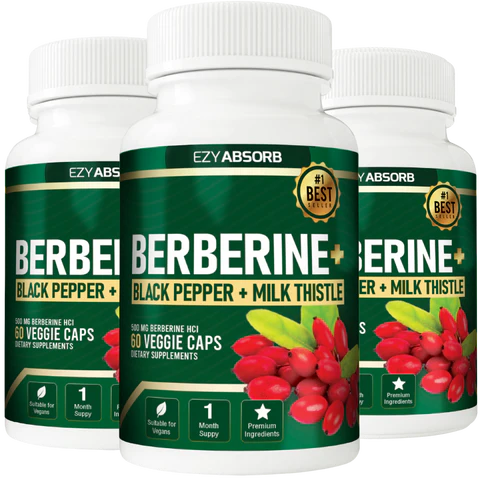
- 500 mg of berberine per capsule
- 90 capsules per bottle, a 30-day supply at the suggested use
- Suggested use: one capsule three times a day, before or after a meal
- Plant-based ingredients, no stimulants, non-habit forming
- Made in the USA
- Free shipping and a money-back guarantee
Why It Suits a Berberine for Weight Loss Routine
Run it through the checklist above. The berberine amount is stated plainly, the 1,500 mg daily total sits inside the research range used in studies on berberine for weight loss, the 500 mg capsules keep the schedule manageable, and the maker backs the product with a guarantee. That combination is why we consider it a leading contender for the best berberine supplement for everyday use. Visit the official berberine supplement page for current pricing and bundles, or read our full berberine supplement review for label details and daily-routine notes.
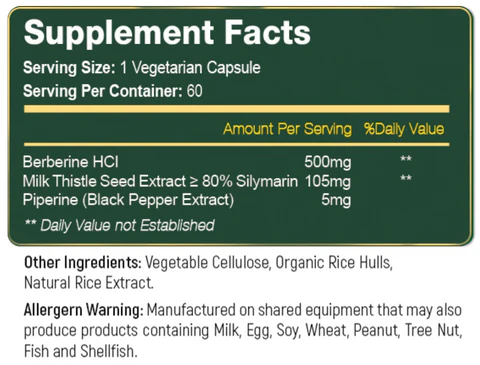
How to Read the Supplement Facts Panel
Start with the serving size, find the berberine per serving, then scan the “other ingredients.” A label that says “berberine complex” without milligrams deserves a skeptical look. Also divide the capsule count by the daily dose so you know how many days the bottle really lasts. Boring labels are good labels.
Berberine Side Effect Guide: What Is Common, What Is Rare, and Who Should Skip It
No honest guide to berberine for weight loss can skip safety. Many adults tolerate berberine well, yet every berberine side effect worth knowing about is fairly predictable, which means you can plan around it. This section is general information, not medical advice.
Common and usually mild
- Loose stools or diarrhea
- Constipation
- Gas and bloating
- Stomach cramps
- Nausea
Stop and seek advice if you notice
- Severe or persistent stomach pain
- Dizziness, shakiness, or fainting from low blood sugar
- Rash, swelling, or other signs of allergic reaction
- Unusual bruising or bleeding
- Symptoms that linger after you stop
Medication Interactions Deserve Respect
Berberine may inhibit certain liver enzymes and transport proteins that clear medicines from the body. That can raise or lower the levels of drugs such as cyclosporine, some blood thinners, and certain blood pressure or cholesterol medications. Berberine can also add to the effect of glucose-lowering medication, which makes low blood sugar a less common but important berberine side effect. That is exactly why a pharmacist or doctor should review your medication list before you begin any berberine dietary supplement.
Who Should Not Take Berberine
- Anyone who is pregnant, trying to conceive, or breastfeeding
- Infants and children
- People taking prescription medication without professional clearance
- Anyone with surgery scheduled soon, because blood sugar may need monitoring
- People with a known allergy to barberry, goldenseal, or Oregon grape
Easing a Mild Berberine Side Effect
Three simple adjustments
Take every dose with food, split the daily amount across meals, and lower the dose if discomfort appears. If symptoms persist, pause and speak with a professional. The best berberine supplement is not the one with the biggest number on the label; it is the one you can tolerate consistently. For a longer walkthrough, see our dedicated berberine side effect guide.
Start berberine for weight loss with a formula you can trust
Berberine Versus Other Weight Loss Options
Online chatter often places berberine for weight loss next to far more powerful tools. Setting expectations correctly protects both your wallet and your health.
Prescription medicines
Social media nicknamed berberine “nature’s Ozempic.” It is not. Prescription GLP-1 medicines work through a different mechanism, and trials of those drugs report much larger average weight loss than pooled studies of berberine fat loss. Never swap a prescribed treatment for a supplement.
Other supplements
Green tea extract, cinnamon, chromium, and inositol each have modest and mixed evidence. Stacking several at once makes it impossible to know what is helping, and it complicates any berberine side effect picture.
Lifestyle foundations
Protein-rich meals, daily movement, strength training, and sleep remain the most reliable levers. A berberine dietary supplement is an add-on, not a replacement for any of them.
Berberine and Metformin
Both influence AMPK, so the two are often compared in studies. That similarity is also why combining them without guidance can push blood sugar too low. Metformin is a prescription drug, and decisions about it belong to you and your doctor, not a supplement label.
Berberine for Weight Loss Myths and Facts
Myth: berberine melts belly fat
No supplement targets fat in one area. Some research reports small reductions in waist circumference, but spot reduction is a myth, and berberine fat loss results depend on the whole routine.
Myth: more capsules mean faster berberine for weight loss
Higher doses mostly increase digestive upset. Research-range dosing, split across meals, is the evidence-based approach to berberine for weight loss.
Myth: berberine for weight loss works in a week
Most trials run eight to twelve weeks or longer. Real berberine benefits build gradually, and early changes are often digestive rather than visible.
Myth: natural means risk-free
Natural does not equal harmless. Berberine can interact with medications and is not appropriate during pregnancy or breastfeeding.
Myth: every berberine product is the same
Dose, form, ingredient lists, and manufacturing standards vary widely. That variation is exactly why choosing the best berberine supplement takes a little homework.
Fact: habits still do the heavy lifting
Food, movement, and sleep drive most results. Berberine for weight loss works as a supporting player, not the star of the show.
Realistic Expectations: How to Track Berberine for Weight Loss Progress
The people who stick with berberine for weight loss tend to be the ones who expect gradual change and measure it sensibly. A realistic first-quarter outcome might be steadier energy, calmer cravings, a slightly smaller waistline, and a few pounds lower on the scale. Anything dramatically beyond that should make you ask what else changed.
What to Measure
- Waist circumference every two weeks, measured at the same spot
- Weekly average weight rather than daily readings
- Hunger, cravings, and energy ratings in a simple journal
- Fasting glucose and lipids if your doctor orders them
- Progress photos taken in the same light every month
When to Reassess
After twelve weeks, sit down with your healthcare provider and review what changed. If you saw little benefit from the berberine dietary supplement, the honest answer may be to stop and redirect your budget toward food quality, movement, or professional support. If you saw steady progress without side effects, ask how long to continue.
Quick reality scale
- Likely: a few pounds and a bit less waist over several months
- Possible: calmer cravings and steadier energy
- Unlikely: rapid or dramatic fat loss with no other changes
- Not appropriate: replacing medical treatment
The Verdict: Is Berberine for Weight Loss Worth Trying?
If you want a straightforward berberine dietary supplement with a clear label, research-range dosing, and a real guarantee, our featured formula is the one we would point a friend toward. Berberine for weight loss is not magic, but for the right person it can be a useful supporting tool. If you are pregnant, nursing, taking prescription medication, or managing a health condition, speak with your healthcare provider first.
Start low, stay consistent, build the lifestyle habits that carry most of the weight, and judge your berberine benefits over months instead of days.
Frequently Asked Questions About Berberine for Weight Loss
Does berberine for weight loss really work?
It may help modestly when combined with sensible eating and regular activity. Pooled studies report small average reductions in weight and waist size, but berberine for weight loss is not a standalone solution, and individual results vary quite a bit.
How much weight can I lose with berberine?
Reviews generally point to a few pounds over several months. Anyone promising rapid fat loss is overselling the evidence.
How long does berberine for weight loss take to show results?
Most trials last eight to twelve weeks or longer. Some people notice digestive changes early, while changes in waist size, blood markers, and other berberine benefits usually take longer.
What is the best berberine supplement for beginners?
The best berberine supplement for beginners has 500 mg capsules, a transparent label, a simple dosing schedule, and a guarantee. Starting with one capsule a day and building up gradually helps your body adjust.
What is the most common berberine side effect?
Digestive discomfort, including loose stools, gas, cramps, or nausea. Taking berberine with meals and starting with a lower dose usually helps. If a berberine side effect persists, stop and talk with a professional.
Can berberine fat loss be targeted at belly fat?
No. Spot reduction does not exist. Some studies show small waist reductions, but berberine fat loss depends on your overall routine.
Is a berberine dietary supplement safe with metformin or other medication?
Not always. A berberine dietary supplement can interact with several drugs, including glucose-lowering medication, so check with your doctor or pharmacist before starting.
Should I take berberine on an empty stomach?
Most people tolerate it better with food. Taking each dose with a meal is the common approach in research and helps reduce stomach upset.
Can I take berberine every day long term?
Long-term safety data are limited. Talk with your healthcare provider about monitoring and how long to continue berberine for weight loss.
Where can I order the formula featured here?
Use any Order Berberine Now button on this page to reach the official order page, where you can see current pricing, shipping details, and the money-back guarantee.
Keep Reading: More From Our Berberine Library
- Berberine Benefits: Science, Safety, Weight Loss and How to Choose the Best Supplement
- Berberine Side Effect Guide: What Is Normal, What Is Not, and How to Stay Safe
- Best Berberine Supplement: A Straight-Talking Buyer’s Guide to Choosing the Right One
- Berberine Supplement Review: Formula, Label, and Daily Routine
- Berberine Supplement: The Official Page
Important: this article is for education only and is not medical advice. Always consult a licensed healthcare professional before starting any supplement, including berberine for weight loss, especially if you take medication or have a health condition.
Plain-English guides to the best berberine supplement and daily metabolic support.
Certain links on this page are affiliate links. If you buy a product or service through them, we may receive a commission at no extra cost to you. We feature only products or services that we believe could be helpful to our readers.
The information on this page is provided for informational purposes only and is not meant to diagnose, treat, cure, or prevent any disease. The FDA has not evaluated the statements made here. Please consult a licensed healthcare professional before taking any supplement or changing your diet or exercise routine. Individual results may vary. Third-party trademarks and trade names shown on this site do not imply affiliation or endorsement. If you buy a product or service through a merchant link, we may receive a fee from the merchant.
© Copyright 2026 Berberine Supplement™. All Rights Reserved.